What Gauge Wire Mesh Is Heavy Duty? A Practical Specification Guide From Your Heavy Duty Wire Mesh Supplier
Choosing the right wire mesh gauge can mean the difference between a screen that lasts years and one that fails under load within weeks. This guide explains how gauge numbering works, which gauge ranges qualify as heavy duty, and how to match wire diameter to opening size for mining, construction, and security applications. If you are sourcing a heavy duty wire mesh supplier serving Duluth, MN, understanding these specifications will help you order with confidence.
How the Wire Gauge Numbering System Works
Wire gauge is a direct measure of wire diameter. The rule is simple: a lower gauge number means a thicker, stronger wire.
For industrial wire mesh in the United States, suppliers typically work from the Steel Wire Gauge (also called Washburn & Moen gauge) rather than AWG. AWG is designed for electrical conductors, and its diameter values differ from the Steel Wire Gauge used for woven and welded wire. The two systems are not interchangeable, so always confirm which standard your heavy duty wire mesh supplier is quoting before placing an order.
In practical terms, a 6-gauge steel wire is significantly heavier and harder to deform than a 14-gauge wire. As the gauge number climbs, the wire becomes finer and less suited to heavy impact or abrasion environments.
What Gauge Range Is Considered Heavy Duty?
Heavy duty wire mesh generally falls in the gauge 2 through gauge 12 range. Wire in this range offers greater tensile strength and can support more load without deforming.
Here is a quick breakdown by use case:
- Mining and aggregate screening: Gauge 4 through gauge 9 is common. These operations involve constant abrasion from rock, sand, and gravel, and thicker wire resists puncture and stretch far better than finer alternatives. High carbon wire is the industry standard for aggregate and mining screens because of its impact resistance.
- Construction and quarry screening: Gauge 6 through gauge 10 often works well for sorting crushed stone and construction aggregates. The wire needs to hold up against coarse material at high volume without distorting under tension.
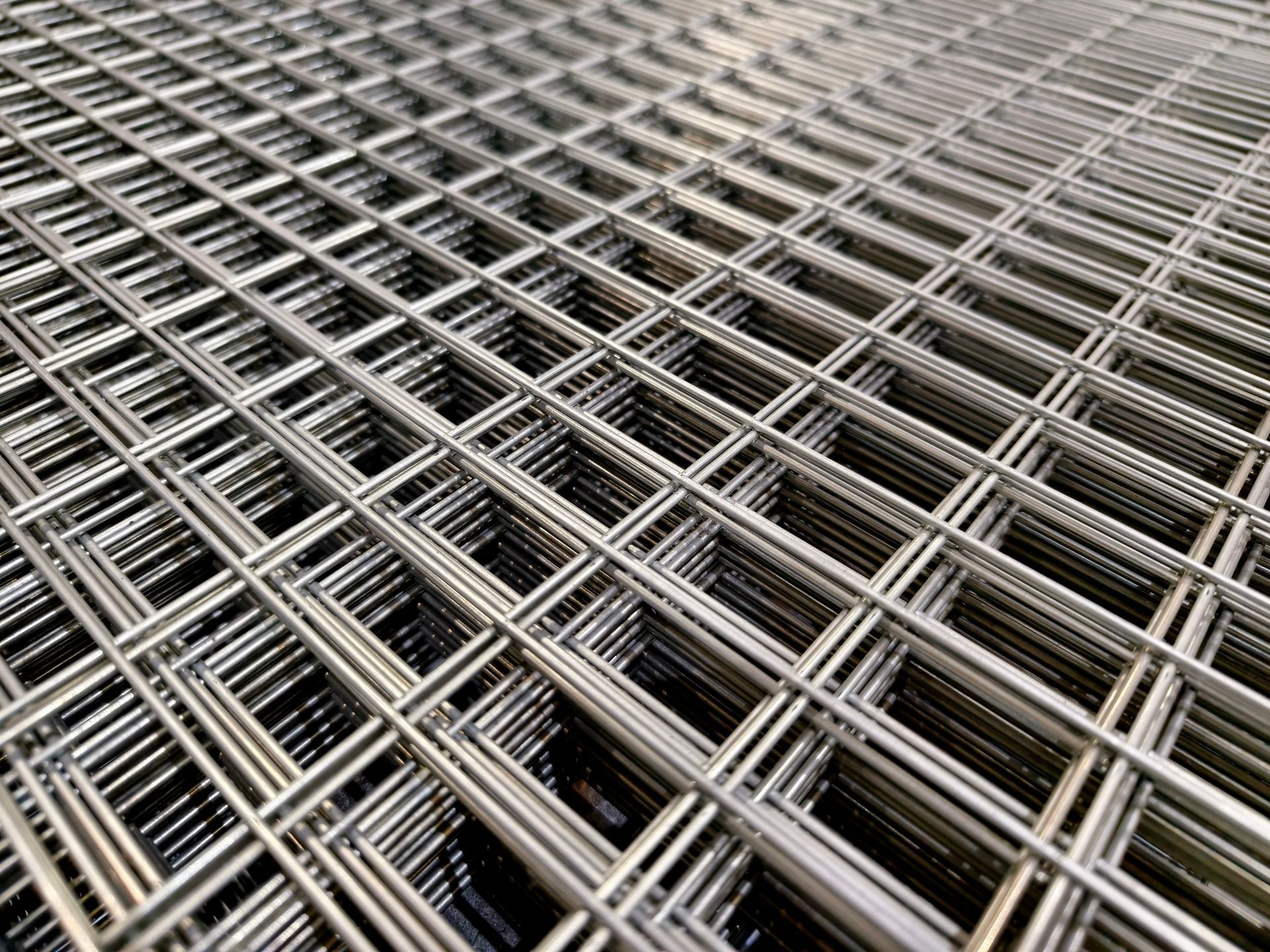
- Security and guarding applications: Gauge 9 through gauge 12 is typical for security panels, machine guards, and enclosures where rigidity and break resistance matter most. Welded mesh in this range is especially rigid because wires are fused at every intersection.
A gauge 14 wire can be adequate for lighter industrial tasks but would generally not qualify as heavy duty under sustained load.
How Wire Diameter and Opening Size Interact
Opening size and wire diameter are always a trade-off. Thicker wire reduces the clear space between wires, lowering the open area percentage of the mesh.
This matters because open area directly affects throughput. If wire diameter is too large for a given mesh count, material cannot pass through efficiently. If wire is too thin for the opening, the screen may buckle under load. When in doubt, consult a heavy duty wire mesh supplier who can cross-reference gauge, opening size, and open area percentage for your exact application.
For coarse, heavy materials like rock or ore, a lower gauge wire with a larger opening may outperform a higher gauge wire with a smaller opening. For fine material separation in milling or food processing, a finer gauge with tighter openings is often appropriate.
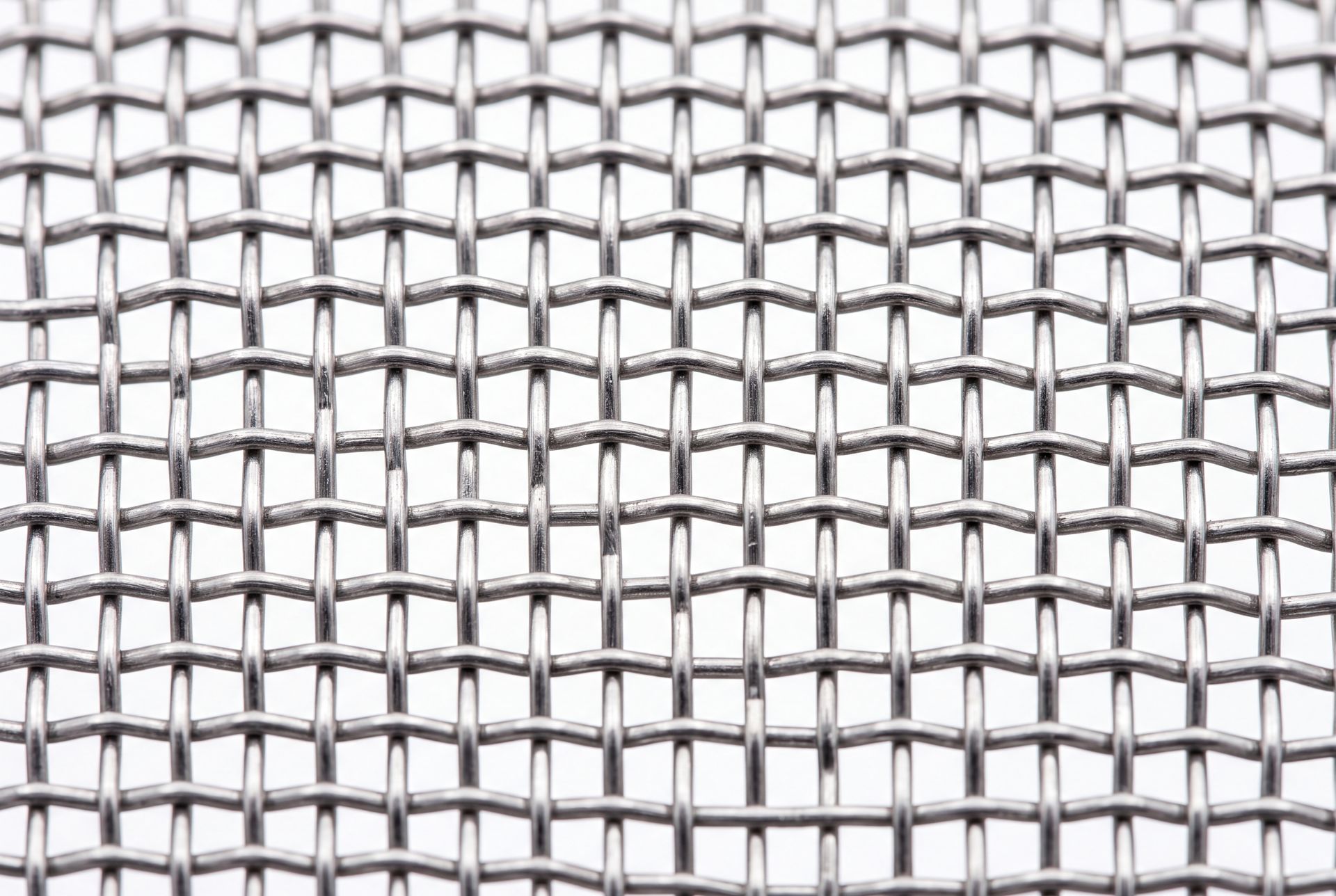
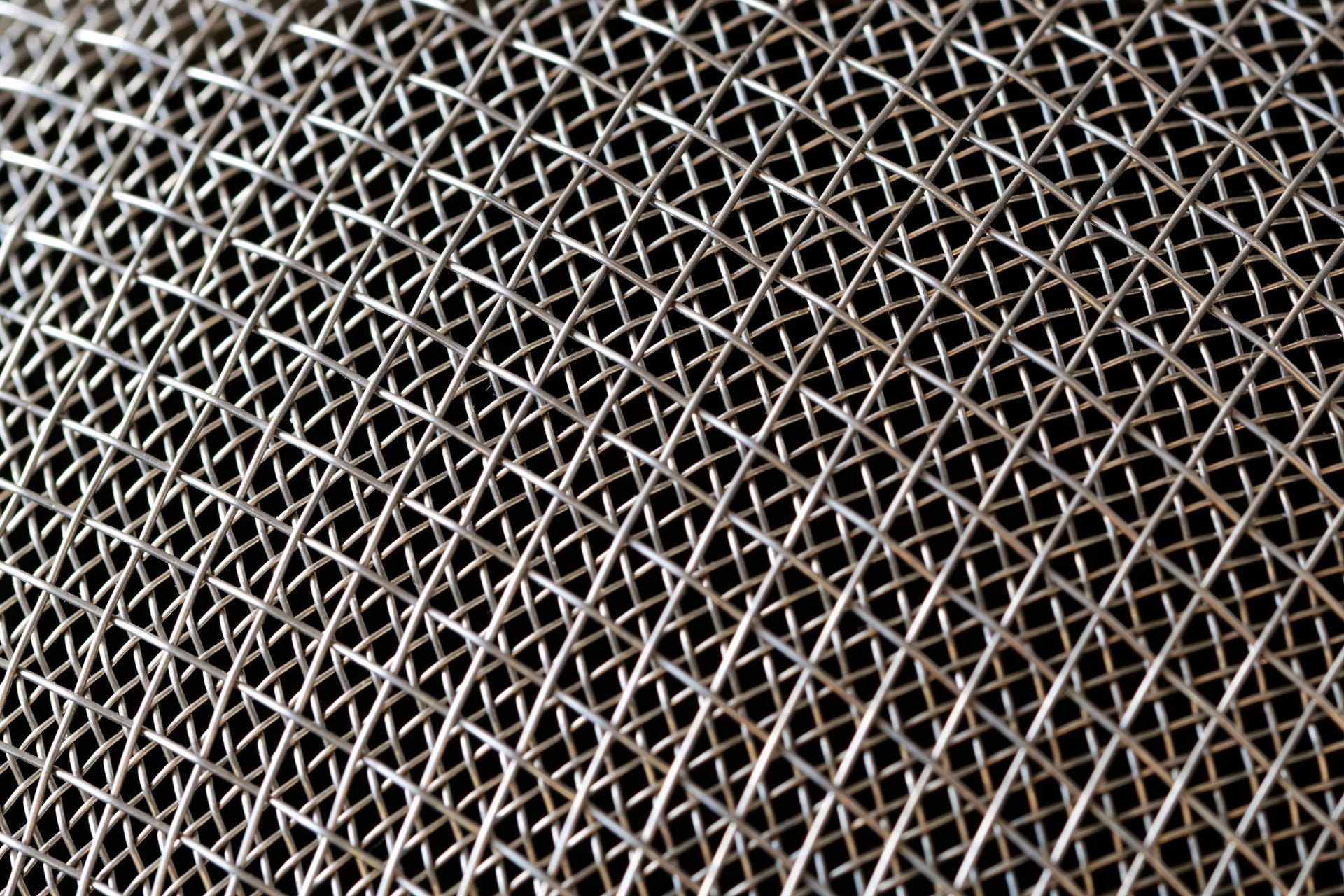
Weave type also plays a role. Lock crimp weave provides a rigid structure well suited to heavy duty use because the crimp locks each wire intersection in place. Double crimp offers flexibility across a continuous weave, while intercrimp designs increase open area without sacrificing too much stability.
Material Choices That Affect Heavy Duty Performance
Gauge alone does not determine performance. Wire material sets the ceiling on how a mesh will hold up in service.
- High carbon wire: Hard drawn and impact resistant, the standard choice for most aggregate and mining applications.
- Oil tempered wire: Heat treated after drawing for superior abrasion resistance, often specified where screens face persistent frictional wear.
- Stainless steel (304, 316, 321): Preferred where corrosion or chemical exposure is a concern, including food processing facilities or operations near Lake Superior's moisture-heavy environment.
- Galvanized steel: Balances corrosion resistance and cost-effectiveness for outdoor construction screening.
Duluth's freeze-thaw cycles and high humidity near the lake can accelerate corrosion on untreated steel, making material selection as important as gauge selection for any outdoor installation. A heavy duty wire mesh supplier familiar with the regional environment can steer you toward the right alloy and finish.
How to Request the Right Spec From a Supplier
When contacting a heavy duty wire mesh supplier, have these four details ready:
- Wire gauge (confirm whether they quote Steel Wire Gauge or another system).
- Opening size or mesh count (openings per inch).
- Wire material (high carbon, stainless, galvanized, oil tempered).
- Weave type if known (lock crimp, double crimp, intercrimp, trilock).
If you are unsure which gauge suits your application, describe the material being screened, the approximate particle size, and throughput volume. A knowledgeable supplier can recommend the right spec based on those inputs.
Get the Right Spec With Expert Support in Duluth
Gauge selection is straightforward once you know the rules. Start with the use case, match the gauge range to the load and abrasion demands, factor in material and weave type, and confirm the opening size supports your throughput needs.
Industrial Screen Supply is a trusted heavy duty wire mesh supplier helping operations across Minnesota find the right woven wire cloth and heavy duty mesh for their specific applications. Whether your work involves aggregate screening near the Iron Range, quarry operations, construction projects in the Duluth, MN, area, or security and guarding installations, the team can match you to the right gauge, material, and weave. Visit the products page to explore available mesh specifications, or go to the contact page to speak with a specialist. You can also find Industrial Screen Supply on Google to read reviews and get directions. Call 651-699-3715 or toll free at 800-653-4459 to request a quote today.