Wire Cloth Types and Their Roles in Milling Processes
What Is Wire Cloth and Why Does It Matter in Milling?
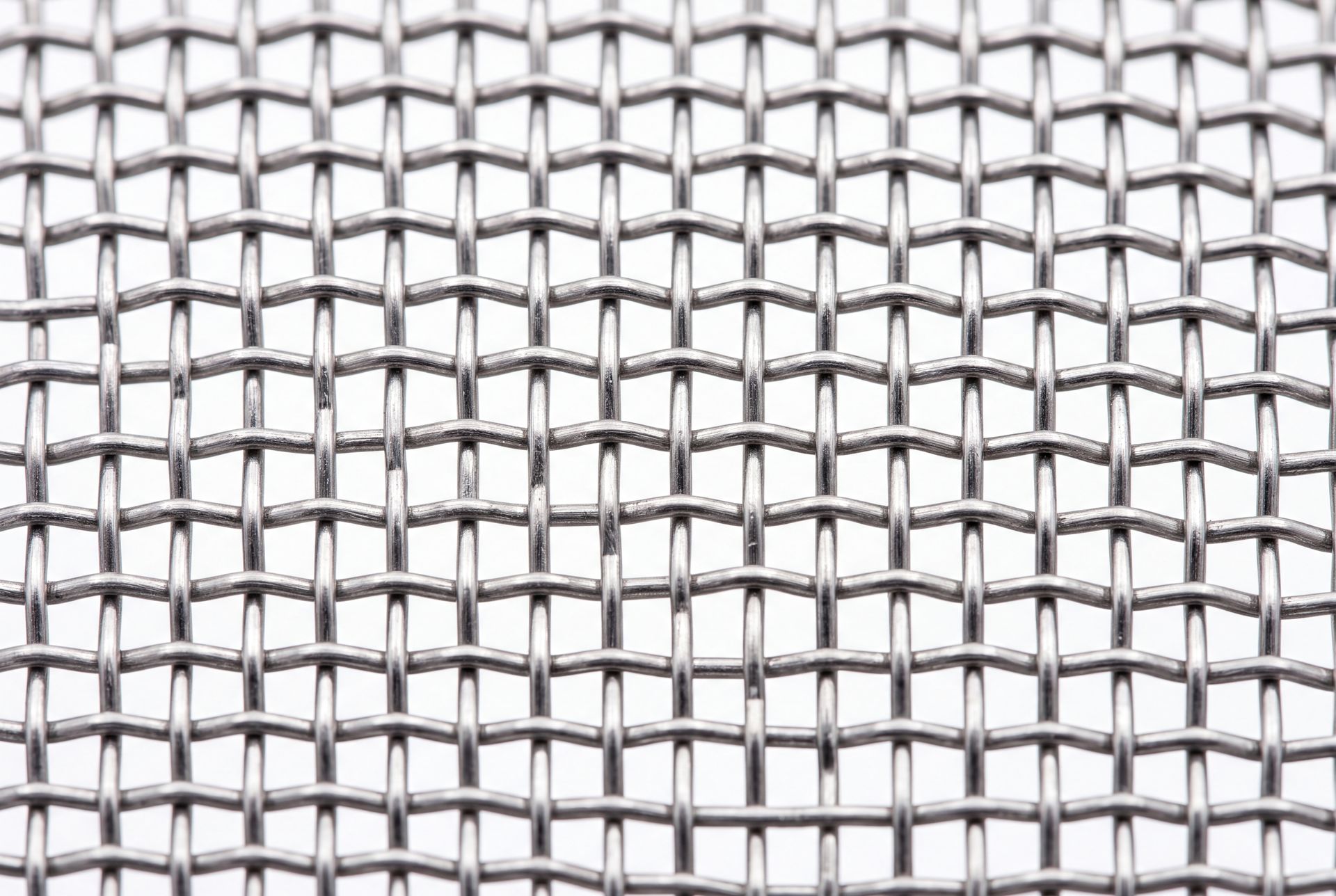
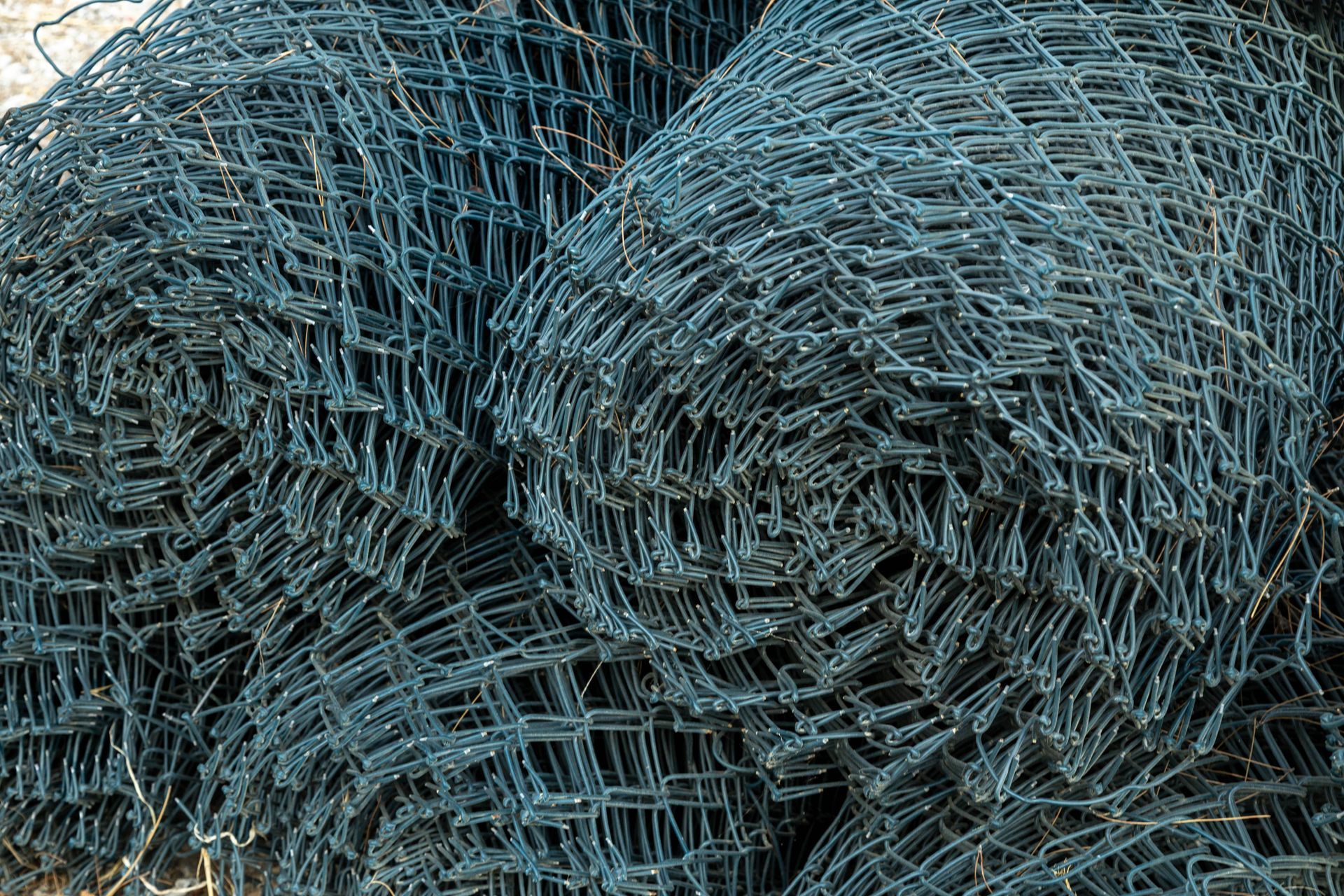
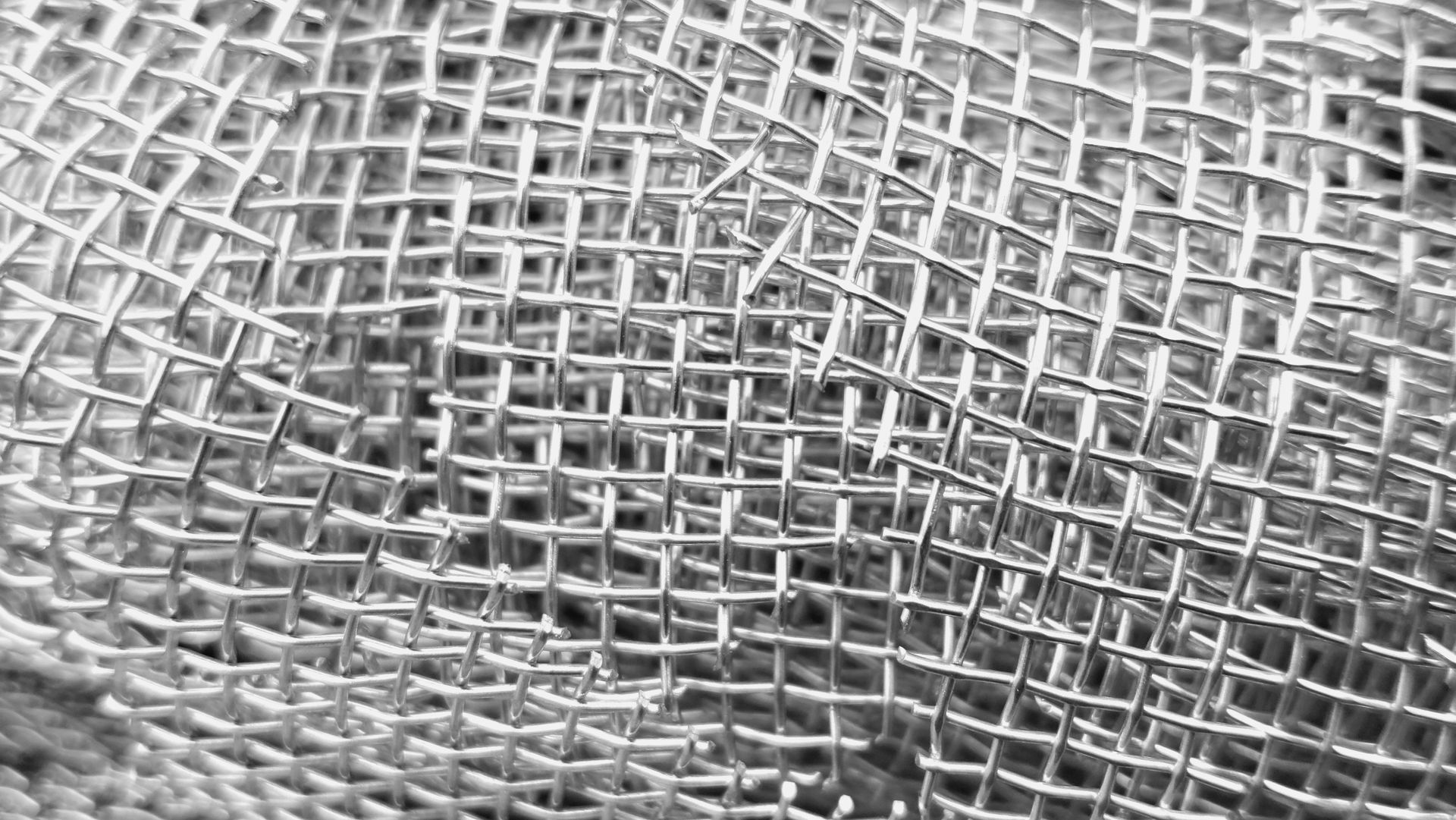
Wire cloth is a woven mesh material used in milling to separate, filter, and control particle size. It acts as a precision sieve between processing stages, ensuring only correctly sized particles move forward. Industries from food processing to mining rely on it for consistent output and regulatory compliance.
Wire Cloth Types Used in Milling
1. Plain Weave Wire Cloth
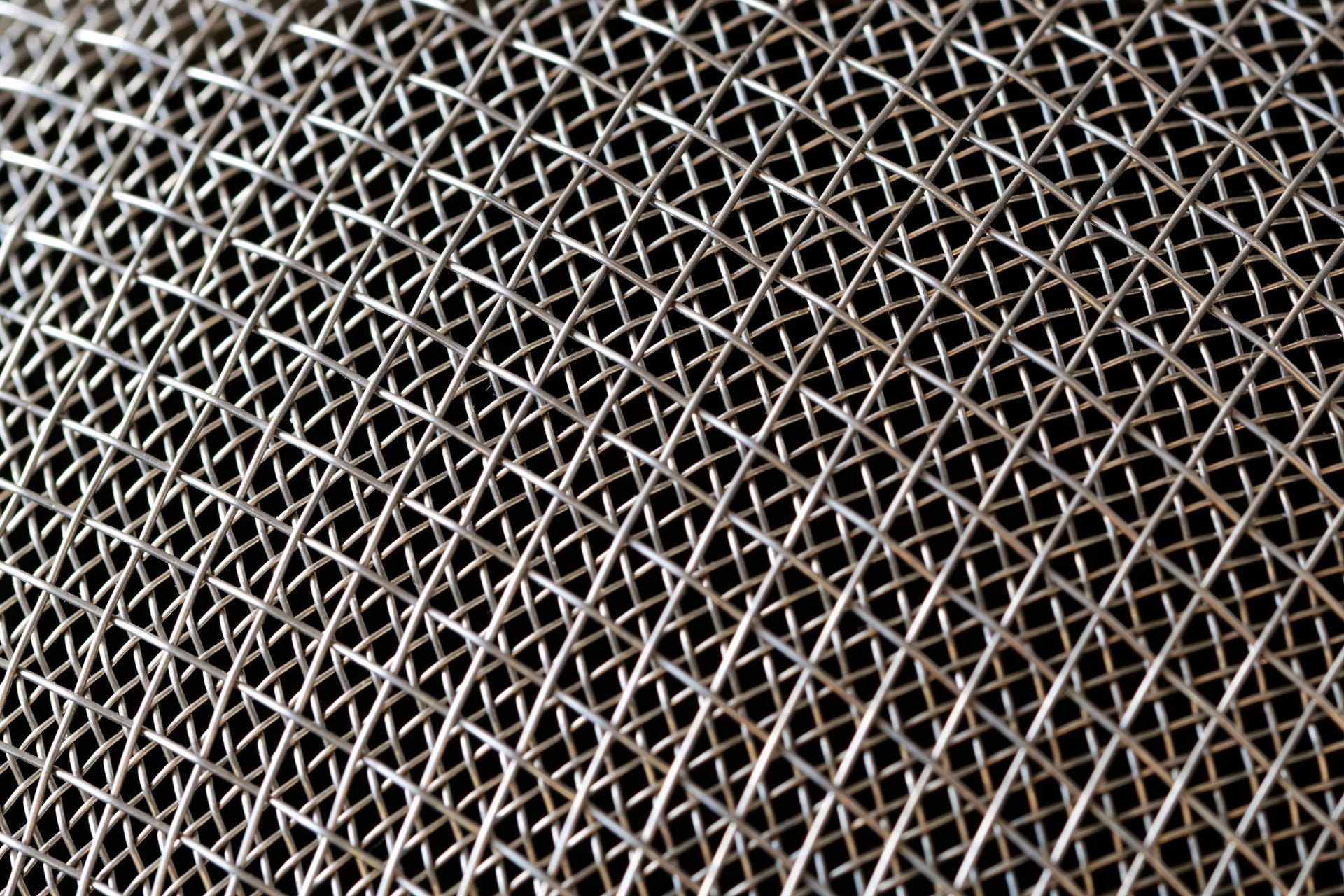
Plain weave is the most common type. Each wire alternates over and under the intersecting wire, creating a uniform, balanced mesh. It is cost-effective and ideal for general filtration and separation tasks.
Best used for:
• General particle separation
• Air and liquid filtration
• Scalping and sizing in aggregate processing
2. Twill Weave Wire Cloth
Twill weave uses a 2-over, 2-under pattern, producing a denser, heavier mesh than plain weave. It supports finer filtration without sacrificing structural strength.
Best used for:
• Fine particle classification
• High-pressure filtration systems
• Pharmaceutical milling where tight tolerances are required
3. Dutch Weave Wire Cloth
Dutch weave features closely spaced warp wires with finer weft wires, creating extremely small openings. It is the preferred choice when fine filtration and high flow rates are needed simultaneously.
Best used for:
• Pharmaceutical and chemical filtration
• Fine powder classification
• High-viscosity liquid filtering
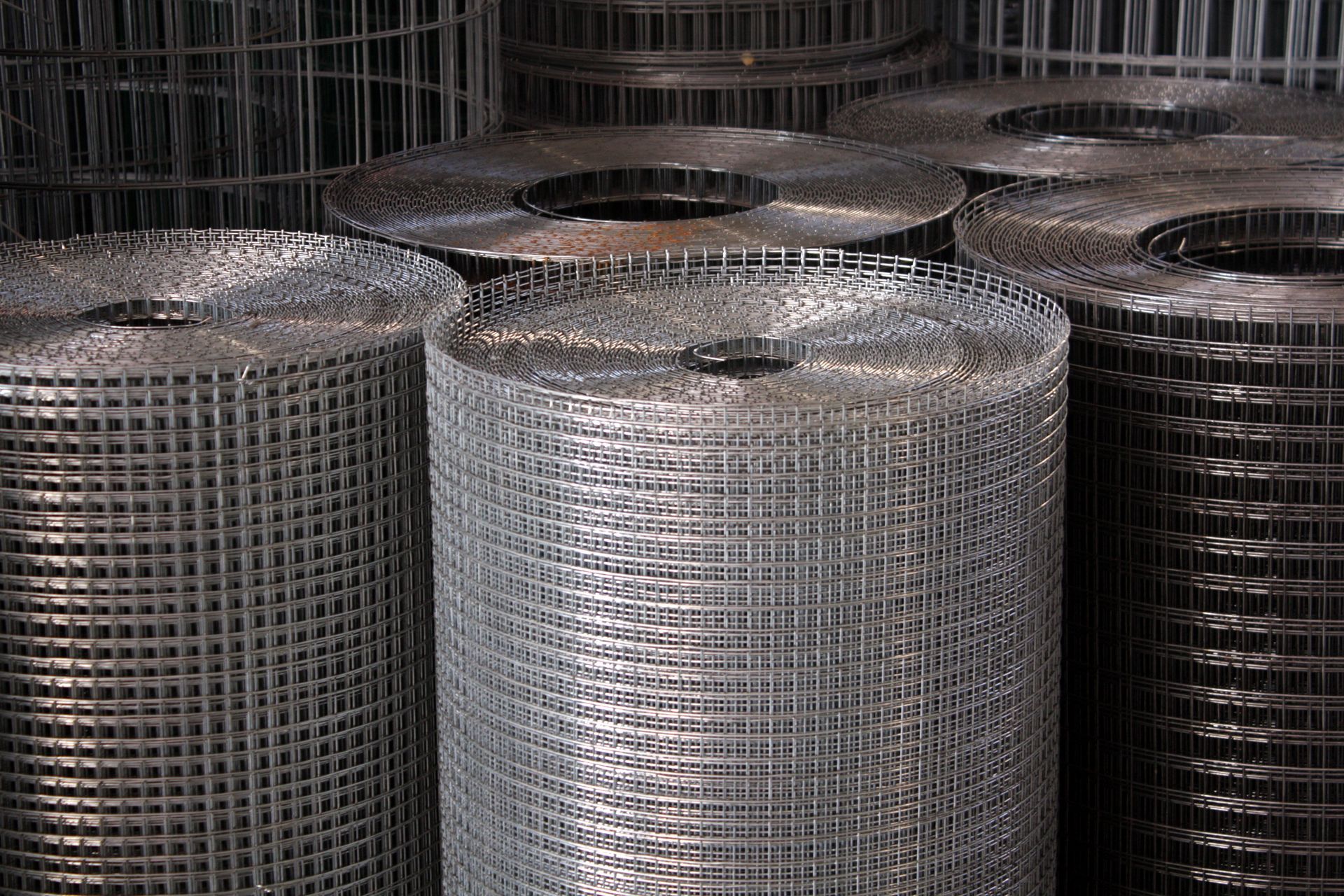
4. Welded Wire Cloth
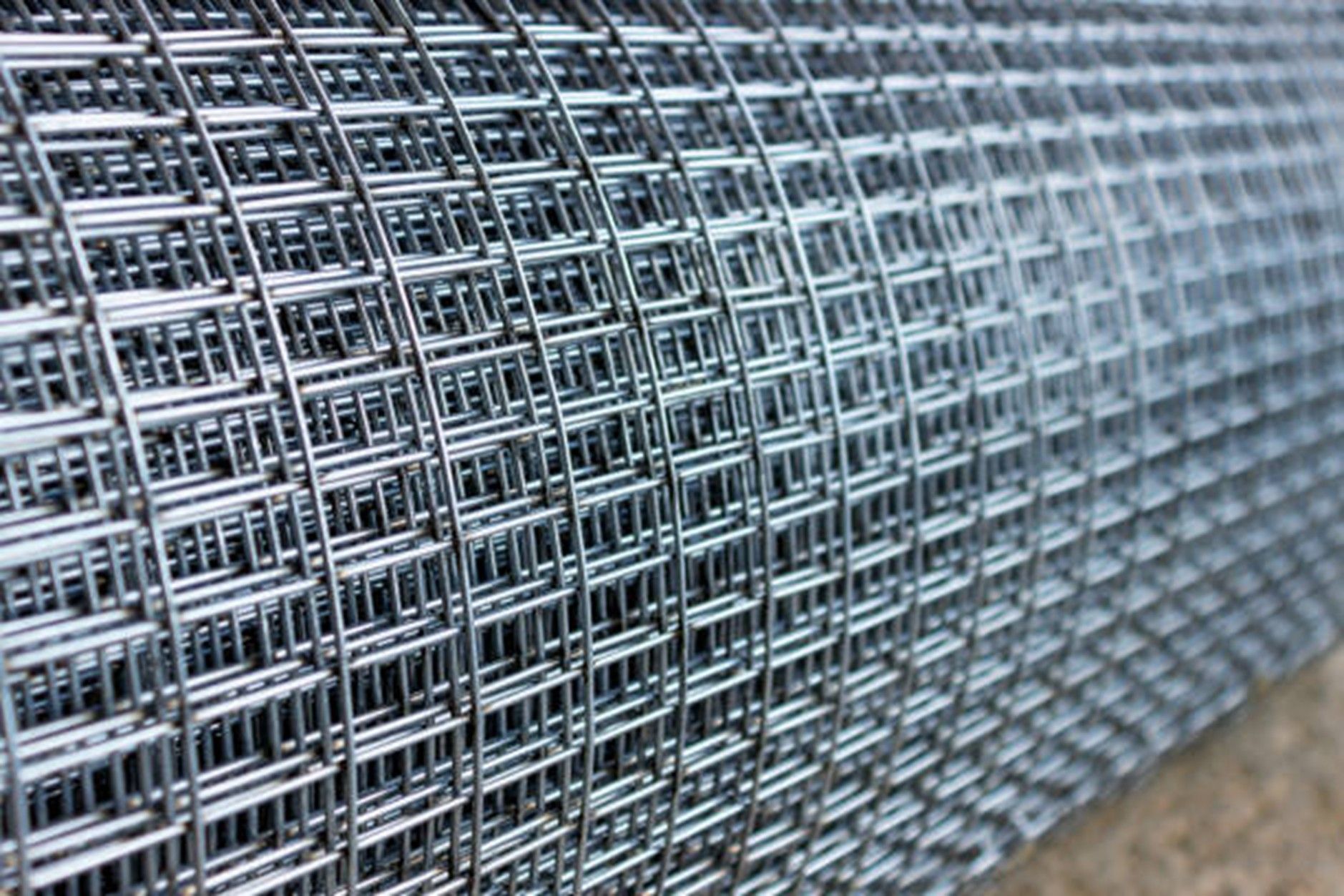
Welded wire cloth has intersecting wires fused at each junction rather than woven. This creates a rigid, stable mesh that holds its shape under heavy loads and high-vibration environments.
Best used for:
• Heavy-duty mining and aggregate screening
• Coarse particle separation
• Structural support screens in vibrating equipment
5. Pre-Crimped Wire Cloth
Pre-crimped cloth uses wires that are bent before weaving, which locks them in place and increases rigidity. It is widely used in mining and construction material processing where screen stability is critical.
Best used for:
• Quarry and mining applications
• Aggregate and sand classification
• High-impact screening environments
How Wire Cloth Improves Milling Performance
Separation
Wire cloth creates a precise physical barrier that separates particles by size at each stage of milling. This prevents oversized particles from advancing and undersized particles from contaminating finished product.
Key separation benefits:
• Consistent product sizing across batches
• Reduced rework and waste
• Improved yield from raw material
Filtration
In wet milling and liquid-based processes, wire cloth removes unwanted solids from slurries and solutions. The right mesh opening size allows liquid to pass freely while capturing targeted particles.
Filtration advantages:
• Protects downstream equipment from debris
• Maintains product purity in food and pharma applications
• Reduces contamination risk in chemical processing
Particle Size Control
Consistent mesh opening size is the foundation of particle size control. Wire cloth screens ensure milling output stays within specified tolerances, which is critical for product performance and regulatory compliance.
Particle size control outcomes:
• Uniform texture in food and cosmetic products
• Consistent dosage accuracy in pharmaceutical manufacturing
• Predictable material flow in industrial processing
Industries and Milling Processes That Rely on Wire Cloth
Food Processing
Wire cloth screens are used in grain milling, spice grinding, and sugar processing. FDA-compliant stainless steel wire cloth ensures product safety and meets strict hygiene standards.
Common applications:
• Flour and grain classification
• Spice and seasoning particle sizing
• Sugar and salt grading
• Cocoa and coffee processing
Pharmaceuticals
Pharma milling requires tight particle size tolerances and contamination-free screens. Twill and Dutch weave wire cloth are commonly used to meet USP and GMP standards.
Common applications:
• Active ingredient classification
• Tablet granulation screening
• Powder blending and sizing
• Liquid filtration in drug manufacturing
Mining and Aggregate
Heavy-gauge welded and pre-crimped wire cloth handles the high-impact demands of mining screens. These screens classify rock, ore, sand, and gravel at high tonnage rates.
Common applications:
• Ore and mineral classification
• Sand and gravel sizing
• Coal and limestone screening
• Quarry aggregate grading
Chemical Processing
Chemical milling uses wire cloth to filter catalysts, separate solids, and control reaction inputs. Corrosion-resistant alloys such as Hastelloy and titanium are used in aggressive chemical environments.
Choosing the Right Wire Cloth for Your Milling Operation in Duluth, MN
Selecting the correct wire cloth type for your milling process depends on material characteristics, required particle size, operating environment, and industry compliance standards. A wire cloth supplier with milling expertise can help match mesh specifications to your process requirements.
Key factors to evaluate:
• Target particle size range and tolerance
• Material being processed (abrasive, corrosive, fragile)
• Operating conditions (wet, dry, high-temp, high-pressure)
• Regulatory and hygiene requirements (FDA, GMP, ASTM)
• Required throughput volume and screen area
Local Duluth, MN operations benefit from working with Contact Industrial Screen Supply, your wire cloth suppliers who understand northern industrial environments, including cold-weather material behavior and regional compliance standards. Call us to learn more about our products.