How to Choose the Right Mesh Size from a Sand and Gravel Screen Supplier in Eau Claire, WI
Choosing the right mesh size is one of the most important decisions for any aggregate operation, and working with a reliable sand and gravel screen supplier can make that process significantly easier. The wrong aperture size can mean oversized material slipping through, undersized fines clogging your decks, or finished product that fails to meet project spec. This guide covers how mesh sizing works, how different aggregate types drive that decision, and why Wisconsin operations have unique factors to consider.
What Does Mesh Size Actually Mean?
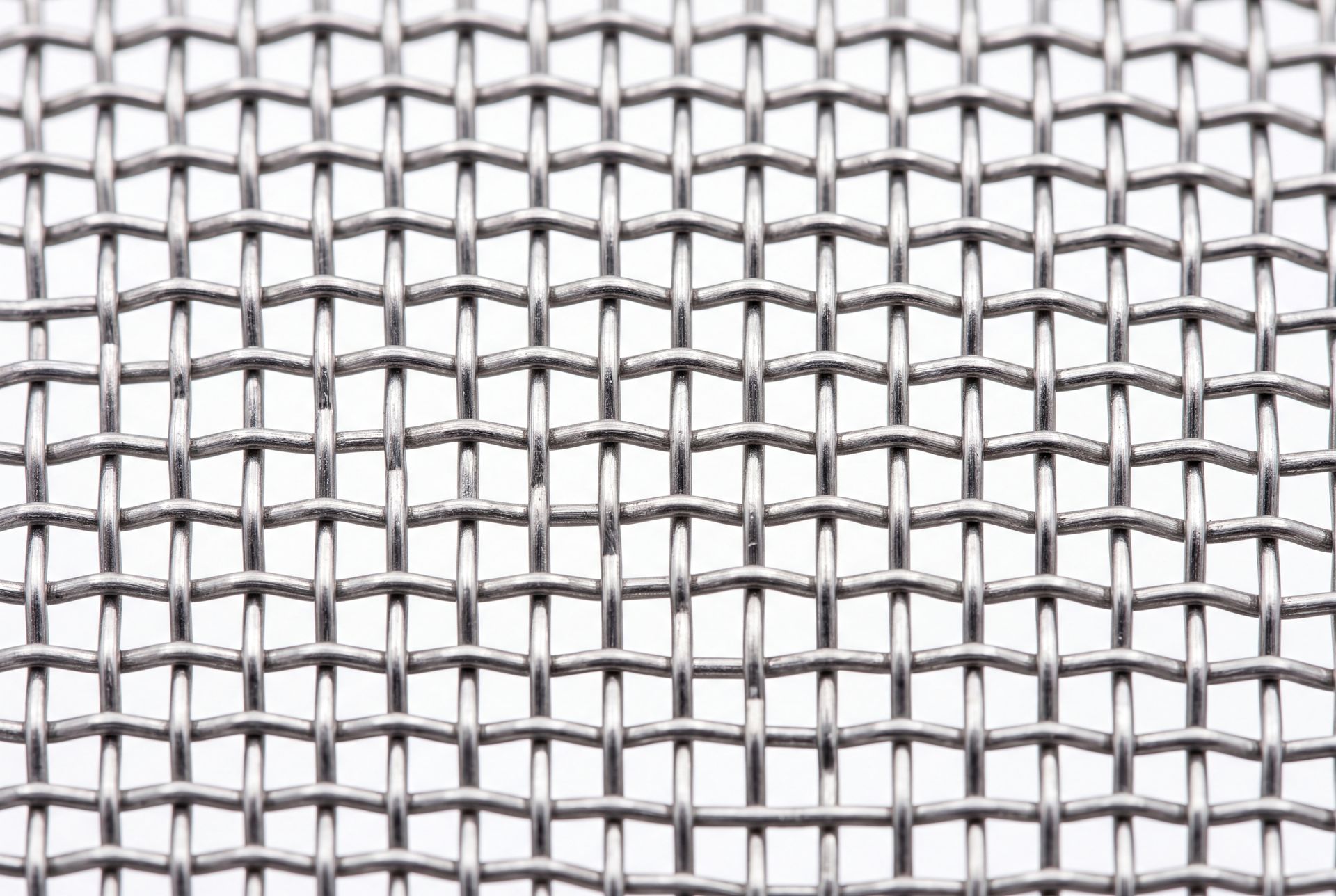
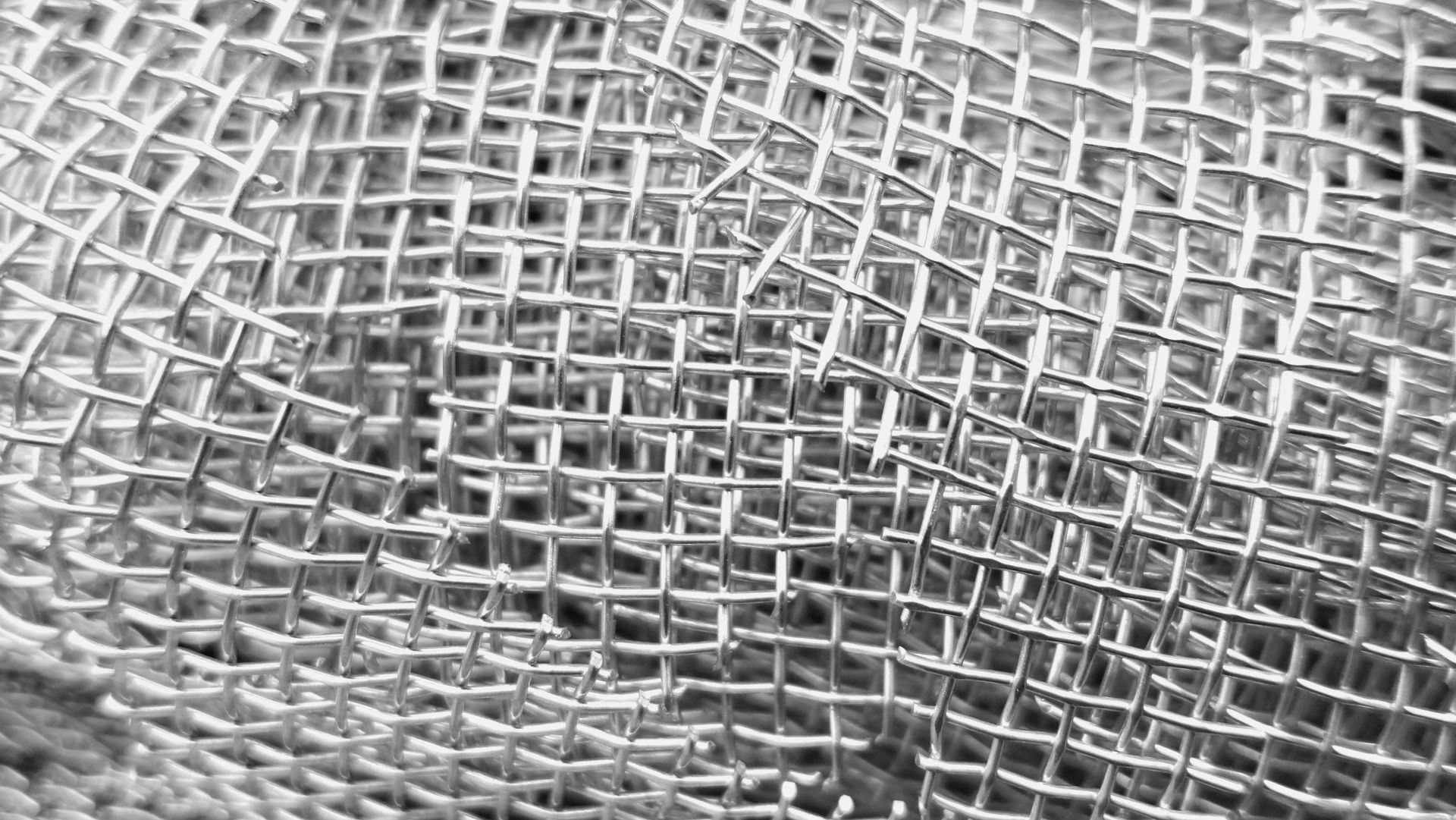
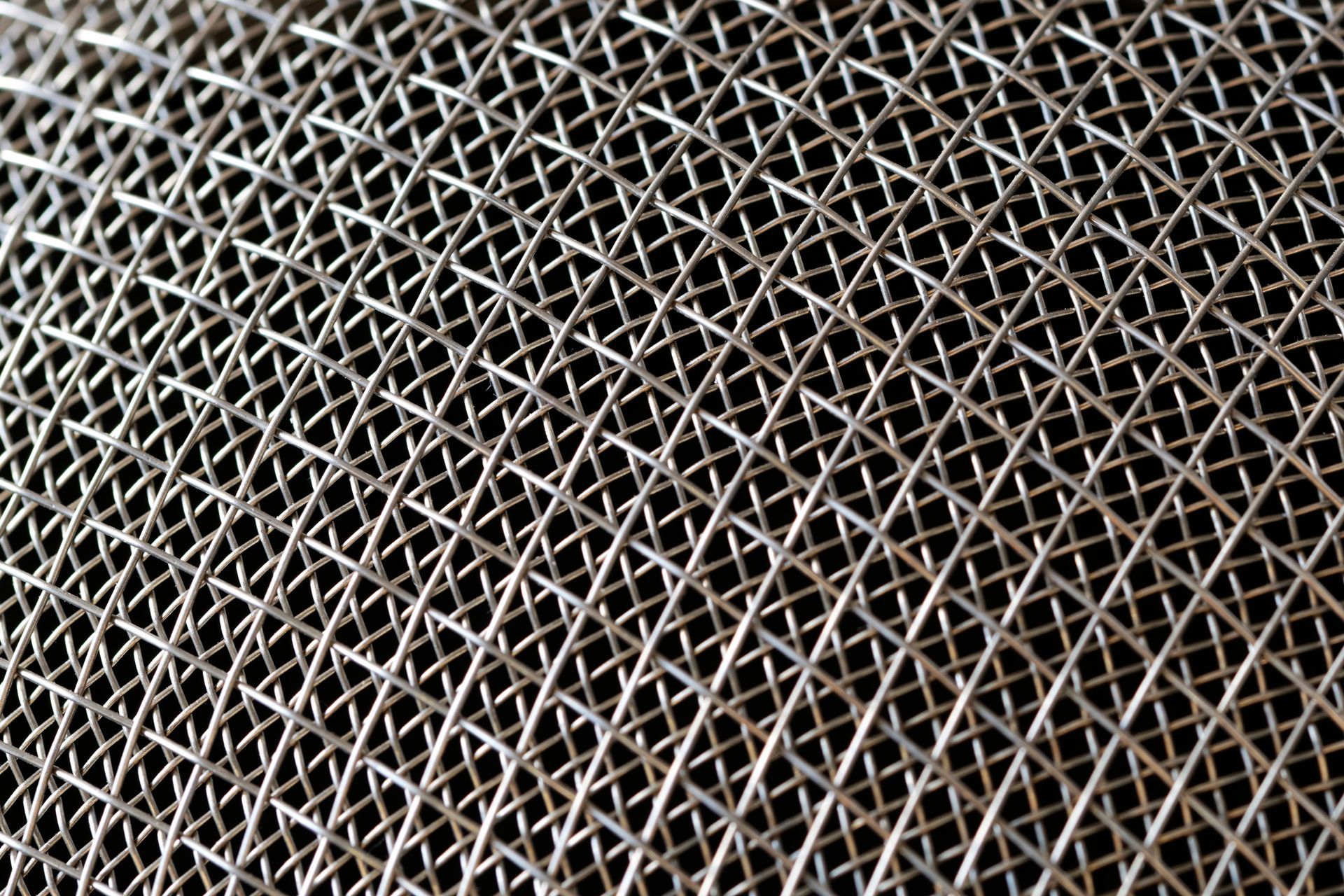
Mesh size describes the number of openings per linear inch in a woven wire screen. The higher the number, the smaller the opening. A 4-mesh screen has roughly a 4.75 mm opening. A 60-mesh screen has an opening of about 0.25 mm, making it suitable for fine sand classification.
The opening size, also called the aperture, controls what passes and what stays. Too small and throughput slows while fines blind the screen. Too large and oversized particles contaminate your finished product. Getting this balance right separates efficient processing from constant rework.
Mesh Size by Material Type: A Practical Reference Chart
The right starting point is always the target material. Consulting a knowledgeable sand and gravel screen supplier early in the planning process helps ensure your aperture selections align with your finished product requirements. Here is a general guide for common sand and gravel applications:
- Fine sand (mason sand, play sand, specialty grades): approximately 16 to 60 mesh, targeting openings from about 0.25 mm to 1.19 mm, suited for mortar, plaster, and filter bed applications.
- Coarse construction sand (ASTM C33 concrete sand): approximately 4 to 16 mesh, with the critical split point near the No. 4 sieve at 4.75 mm to meet standard gradation requirements.
- Pea gravel (1/4 inch to 1/2 inch finished product): typically screened using 3/8 inch to 1/2 inch openings, with a lower deck at approximately 1/4 inch to remove undersized fines.
- Crushed stone and coarse aggregate: scalping decks commonly use 1-inch to 2-inch openings, with secondary decks at 3/4 inch or 3/8 inch to produce ASTM-specified sizes for concrete and base course work.
This chart is a starting point, not a final spec. Always confirm with your supplier and verify against the gradation requirements on your project plans.
How Open Area Percentage Affects Throughput
Open area percentage refers to how much of the screen surface is actually open versus wire. Higher open area lets more material pass per unit of time. Less open area may produce a cleaner cut but processes material more slowly.
A 5 mm square mesh screen can achieve around 50 percent open area, supporting efficient processing of concrete sand fractions. When open area drops below 30 to 35 percent, screening rates fall noticeably. This matters most in high-volume pit and quarry operations where downtime is costly.
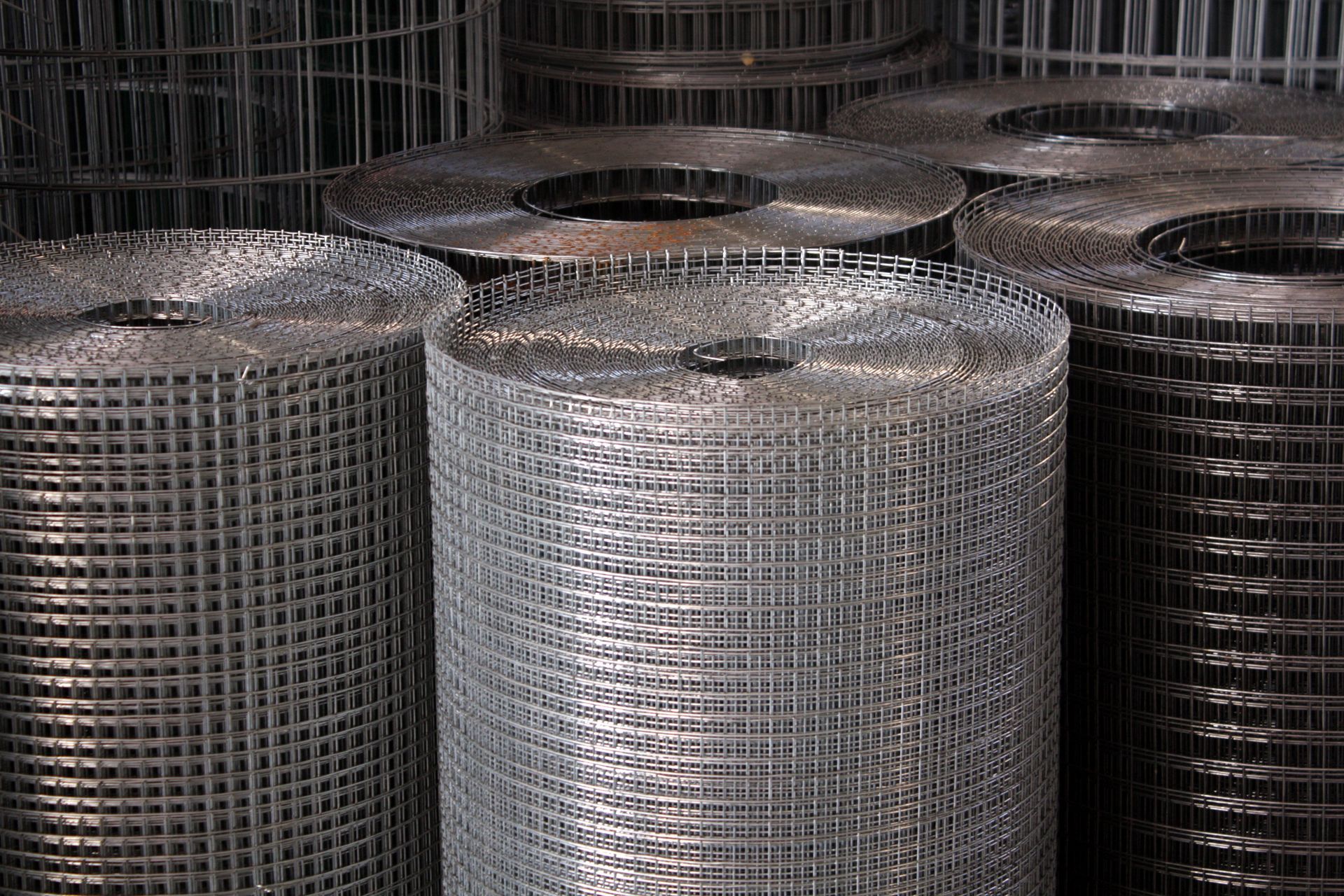
Wire diameter also plays a role. Heavier wire increases durability but reduces open area. Lighter wire opens more surface but wears faster in abrasive material like silica sand, which carries a Mohs hardness rating of 7. Balancing wire gauge against open area and material abrasiveness is a key part of proper screen selection. A qualified sand and gravel screen supplier can help you evaluate these tradeoffs for your specific material and volume requirements. You can review wire and gauge considerations in the heavy-duty wire mesh gauge specification guide.
Midwest Aggregate Specs
Aggregate producers and contractors in Wisconsin, including those in and around Eau Claire must meet Wisconsin DOT gradation standards on most public work. Wisconsin fine aggregate gradation requirements align closely with ASTM C33, with passing percentages specified across sieve sizes from 3/8 inch down through the No. 100 sieve. Meeting these specs requires multi-deck screening setups with precisely chosen apertures at each level. Partnering with an experienced sand and gravel screen supplier helps Wisconsin operations select the right media configuration for each deck in these setups.
The Chippewa River valley region around Eau Claire sits in a glacially deposited landscape that produces naturally rounded sand and gravel. Rounded particles flow through screens more freely than angular crushed stone, which can mean slightly tighter aperture selection to achieve the same cut accuracy. Operations processing material for WisDOT base course, dense-graded fill, or concrete production need screens that hold tight tolerances across high volumes.
Freeze-thaw cycles common to western Wisconsin also affect screen media choices. Wire cloth that experiences repeated thermal stress benefits from quality alloy selection and proper tensioning. Sourcing from a sand and gravel screen supplier that understands these regional conditions reduces premature screen failure and unplanned downtime.
Key Factors to Review Before Ordering Screen Media
Thinking through the following factors before placing an order will help ensure the screen performs as expected:
Target finished product size: determines the minimum aperture needed on each deck.
Feed material gradation: knowing the full particle size distribution prevents overloading any single deck.
Material moisture content: wet or sticky material is more prone to blinding and may require a larger aperture or self-cleaning media.
Processing volume: higher tonnage per hour requires greater open area to maintain throughput.
Wire material and alloy: stainless steel resists corrosion and abrasion better than plain carbon wire in demanding aggregate environments.
For a broader look at how equipment choices connect to screen media selection, the guide on how to choose the right screen equipment covers complementary considerations worth reading alongside this one.
Get the Right Screen Media!
Picking the wrong mesh size costs time, material, and money. Industrial Screen Supply, your trusted sand and gravel screen supplier serving Eau Claire, WI, and the wider Midwest, provides woven wire cloth and screen media for sand and gravel operations of all sizes. We understand the gradation standards, regional material conditions, and wire specifications that keep production on track.
Check our Google Profile to see how operations across the region have put our screen solutions to work.
Whether you need help matching aperture sizes to a WisDOT spec, sourcing replacement screens fast, or working through a multi-deck configuration, reach out through our
contact page to speak with a screening specialist!